
OPTIMISE - New trial to investigate the best way to support very premature babies with breathing difficulties

Published on Tuesday, 15 September 2026
The OPTIMISE trial will investigate the best way to provide breathing support to very premature babies who have difficulty breathing at birth.
The trial will compare two types of non-invasive breathing support that are already used in neonatal units: continuous positive airway pressure (CPAP) and non-invasive positive pressure ventilation (NIPPV). It aims to find out whether one approach is better at helping babies survive without developing a serious lung condition called bronchopulmonary dysplasia (BPD).
Babies born very prematurely often have difficulty breathing because their lungs are not fully developed. Many can be supported using CPAP, which provides continuous pressure through a mask or small prongs in the baby's nose to help keep their lungs open.
However, around half of very premature babies initially supported with CPAP subsequently need mechanical ventilation, where a breathing tube is used to help them breathe. Mechanical ventilation can damage developing lungs and increase the risk of BPD.
NIPPV is another type of non-invasive breathing support. Like CPAP, it provides pressure to help keep the baby's lungs open, but it also provides additional breaths at higher pressures. Previous research suggests that NIPPV may reduce the need for mechanical ventilation and the risk of BPD. However, there is currently not enough high-quality evidence to know whether NIPPV is better than CPAP at supporting very premature babies.
The OPTIMISE trial will recruit 1,884 babies born at least eight weeks early and will take place in approximately 45 neonatal units across the UK. Babies taking part will be randomly allocated to receive either NIPPV or CPAP as their initial breathing support, with an equal chance of receiving either treatment.
Researchers will compare how many babies in each group survive without developing BPD. They will also look at a range of other outcomes, including whether babies need mechanical ventilation, how long they need breathing support, and whether they experience other complications associated with very premature birth.
A group of babies taking part in the trial will also be followed until they are two years old. Researchers will look at their health and breathing, cognitive and language development, and quality of life.
Professor Charles Roehr, Chief Investigator for the OPTIMISE trial, said:
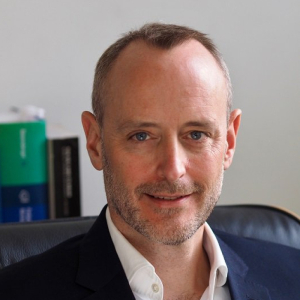
OPTIMISE will answer an important question about how best to support very premature babies with breathing difficulties. As both approaches are already used in neonatal units, the findings could be quickly incorporated into practice & help improve the care babies receive.
The trial is being run by the National Perinatal Epidemiology Unit Clinical Trials Unit (NPEU CTU) and is funded by the National Institute for Health and Care Research (NIHR) Health Technology Assessment (HTA) Programme. The Chief Investigator is Professor Charles Roehr, Professor of Neonatal and Perinatal Medicine at the University of Bristol, and the Co-Lead Investigator is Professor Shalini Ojha, Professor of Neonatal Medicine at the University of Nottingham.
For more information about the OPTIMISE trial, please contact the trial team at optimise@npeu.ox.ac.uk.
NPEU News
OxPop News